You Don’t Need Solar to Benefit from Home Battery Storage
Ask most homeowners what a home battery storage system does, and they’ll tell you it works with solar panels. That’s a fair assumption, but battery storage powers so much more than just solar. A residential battery backup can deliver real, meaningful benefits for any home, including yours, whether you have solar panels on the roof or not.
For homeowners in Los Angeles and surrounding communities, utility rates rank among the highest in the nation. Power outages from wildfires and Public Safety Power Shutoffs (PSPS) are a real and growing concern, but a home energy storage solution offers something every household needs: reliable power and control over how you use it. Here’s what you should know.
At a Glance
- Battery storage systems charge directly from the grid, no solar required
- Time-of-Use rates make off-peak charging a smart money-saving strategy
- LA homeowners face ongoing grid instability from wildfires, PSPS events, and aging infrastructure
- A battery can power essential appliances like refrigerators, lights, medical devices, and Wi-Fi during an outage
- Battery installation integrates directly into your home’s electrical panel and can be scaled for your needs
Are Solar Panels and Batteries Two Different Things?
The confusion is understandable. Solar panels and battery systems are often sold together, and they work beautifully as a pair. But they serve entirely different functions. Solar panels generate electricity from sunlight. A battery stores electricity so it can be used later. One makes power, the other manages it.
When a battery is installed without solar, it draws power from the utility grid during off-peak hours when electricity rates are low, stores it, and then discharges it when you need it most. The source of the electricity changes, but the battery’s job stays the same: keep your home powered on your terms.
This makes a standalone battery system a practical option for homeowners who can’t or don’t want to install solar.
How Does Battery Storage Work Without Solar?
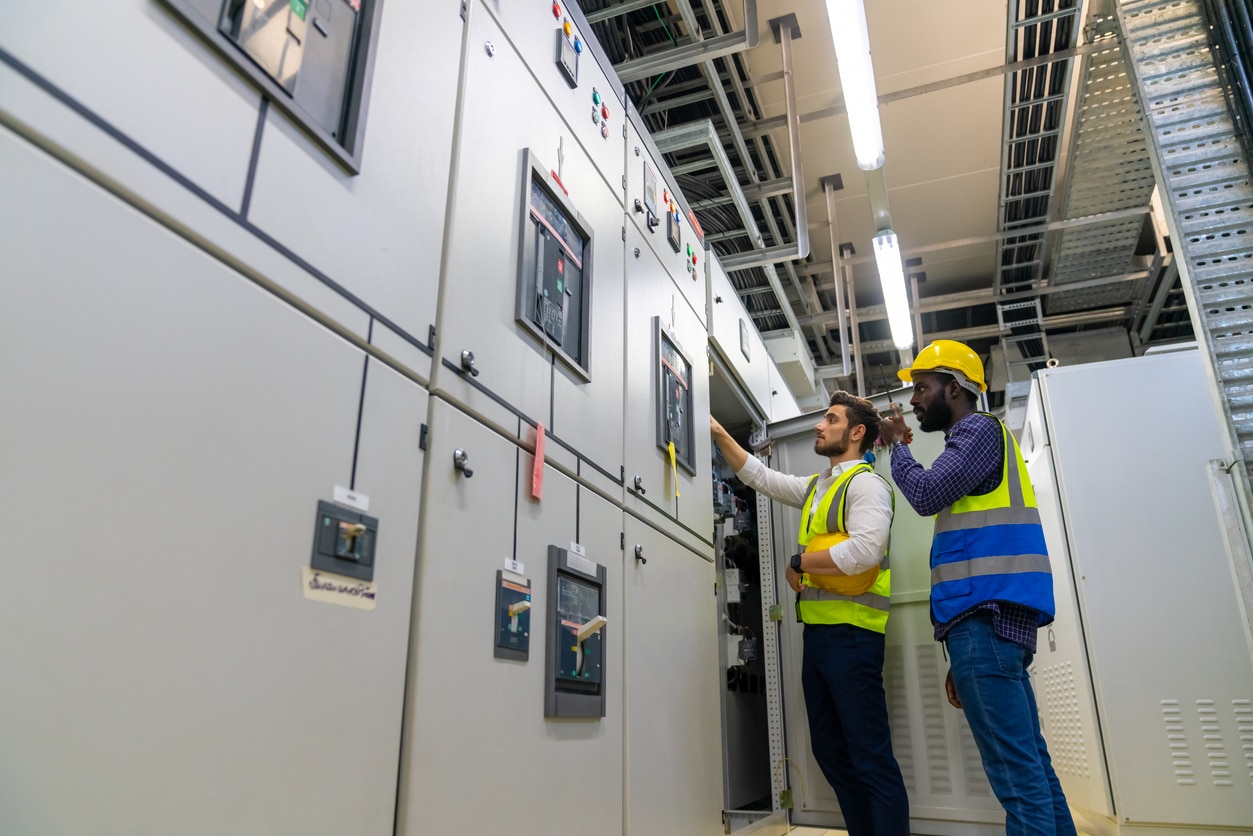
A home battery storage system (typically a wall-mounted lithium-ion unit) connects directly to your home’s electrical panel. Once installed by a licensed electrician, it operates automatically. You can program it to charge during specific hours, monitor it through a smartphone app, and set it to kick in the moment grid power is interrupted.
The system uses an inverter to convert the stored DC energy into the AC electricity your appliances run on. Modern battery systems are designed to detect a grid outage in milliseconds and switch to backup power seamlessly, often without you even noticing the transition.
Why Battery Storage Makes Sense for LA Homeowners Right Now
Los Angeles residents have some of the most compelling reasons in the country to consider a home battery system, and none of them require a single solar panel.
SCE’s Time-of-Use Rates Reward Smart Energy Timing
Southern California Edison automatically enrolls most residential customers in Time-of-Use (TOU) rate plans. Under the most common plan: TOU-D-4-9PM, electricity costs significantly more between 4 p.m. and 9 p.m. on weekdays, when demand on the grid is at its peak.
A home battery flips that dynamic in your favor. You charge the battery overnight or in the early morning when rates are lower, then draw from your stored power instead of the grid during those expensive peak hours. Think of it as buying electricity on sale and using it when prices spike.
SCE rates have increased 14 times since 2020 alone, adding an estimated $80 per month to the average residential bill. This kind of proactive management is becoming less of a luxury and more of a necessity.
Wildfires and PSPS Events Make Outages a Regular Reality
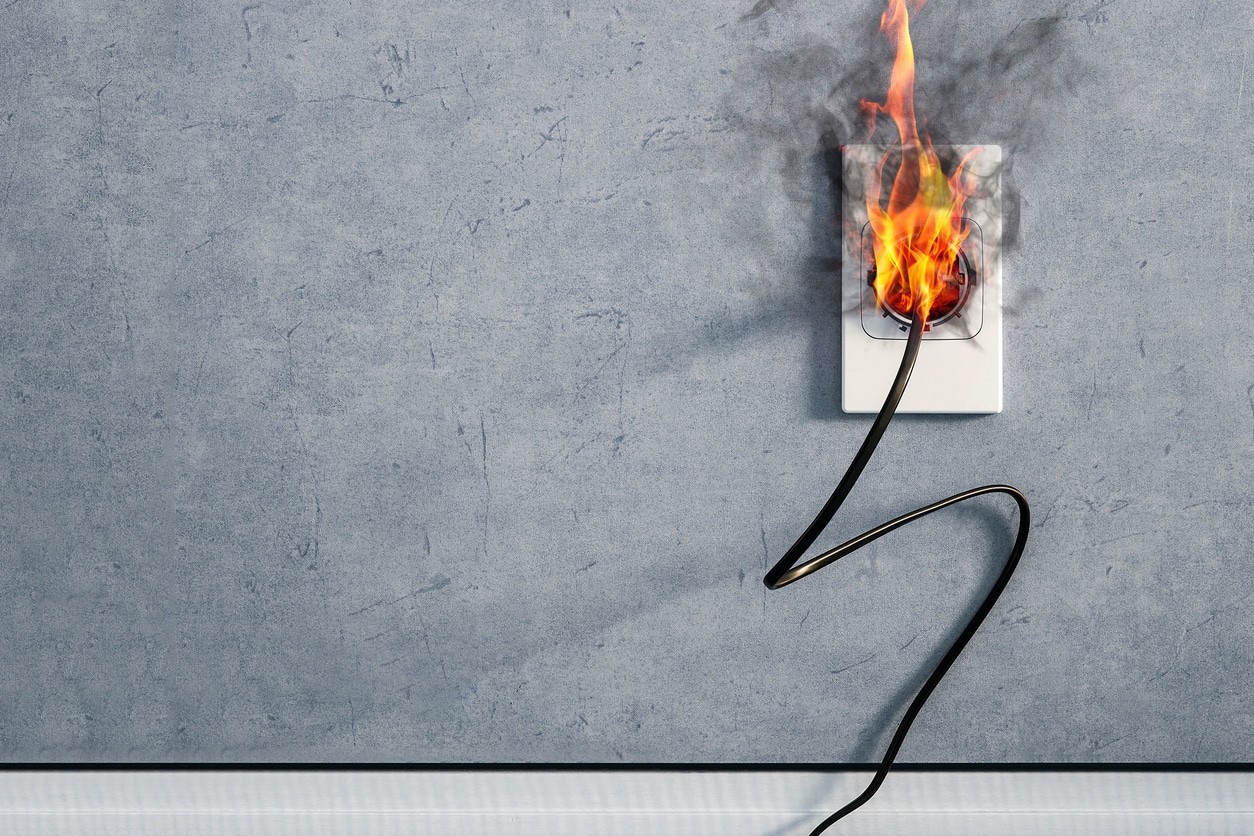
In January 2025, the Palisades and Eaton fires caused nearly 1.9 million Los Angeles County customers to lose power. Some outages lasted days. For homeowners in communities like Pacific Palisades, Brentwood, and Encino, the disruption went well beyond inconvenience; it compromised safety, spoiled food, interrupted remote work, and in some cases affected medical equipment.
This isn’t a one-time event. PSPS protocols reached an all-time high in 2024 with 34 events statewide, 20 of them in SCE territory. Utility regulators have since indicated that PSPS use will continue to increase as a first line of wildfire defense. For LA homeowners, reliable backup power is no longer just a nice-to-have.
Frequently Asked Questions
Can a home battery system really work without solar panels?
Yes. A standalone battery storage system charges directly from the utility grid during off-peak hours and discharges when you need it; during high-rate periods or power outages. Solar panels are not required.
How long will a home battery last during an outage?
Runtime depends on the battery’s capacity and what you’re powering. A single 10 kWh battery running essential loads—refrigerator, lights, Wi-Fi, and device charging—can typically last 8 to 12 hours.
What’s the difference between a battery backup and a generator?
A home battery activates automatically and silently when the grid goes out; no fuel, no exhaust, no startup delay. Gas generators require fuel storage, regular maintenance, and emit carbon monoxide, which poses health and safety risks indoors.
The Bottom Line: Energy Security Doesn’t Require Solar
A home battery storage system is one of the most versatile upgrades available to Los Angeles homeowners, with or without solar. It protects you from the grid instability that comes with wildfire season, puts you in control of rising TOU electricity costs, and keeps your home functional when others are in the dark.
Explore Battery Installation in Los Angeles, with Bryden Electrical
At Bryden Electrical, we’ve been helping homeowners in Los Angeles and surrounding communities take control of their power since 1984. Our licensed electricians will assess your home, walk you through your options, and handle every step of the installation.
Call us at (310) 470-2900 or reach out to us online to get started. We proudly serve Los Angeles, Santa Monica, West Hollywood, Beverly Hills, Culver City, Marina del Rey, West Los Angeles, and surrounding Southern California communities.