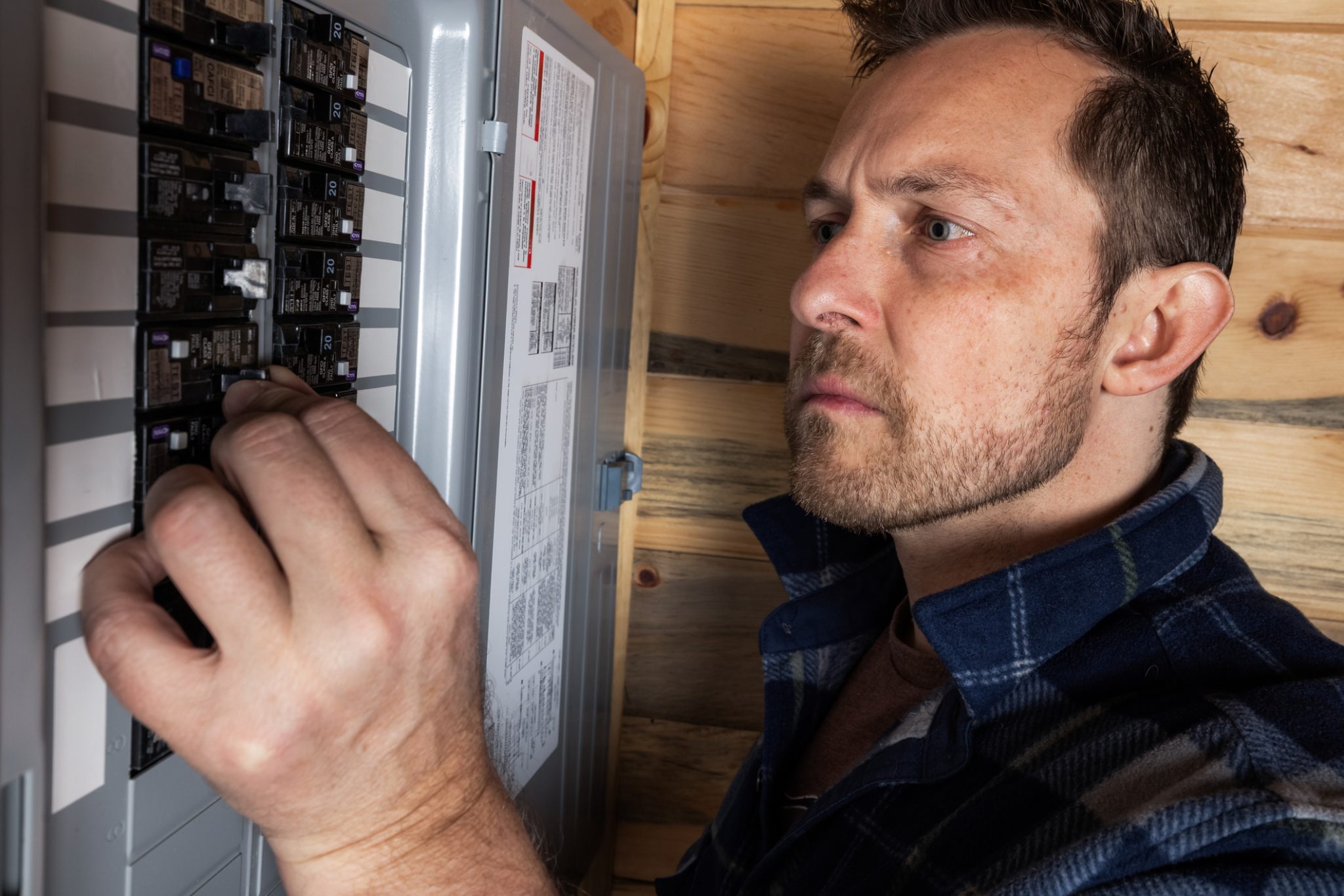
The Craftsman bungalows of Pasadena, the Spanish Colonial homes of Hancock Park, the mid-century ranches of Culver City, and the expansive mansions in the Hollywood Hills are some of the most sought-after properties in the country. They are also some of the most likely to carry electrical hazards in older homes that their owners have never been warned about.
Many of these homes are running on wiring and panels that were installed decades before modern appliances, EV chargers, and smart home systems ever existed. Home electrical fires account for an estimated 51,000 fires and $1.3 billion in property damage each year, and outdated electrical wiring is one of the leading contributors.
At a Glance
- Homes built before 1980 often contain knob-and-tube wiring, aluminum wiring, or Federal Pacific panels that were never designed for today’s electrical loads.
- Southern California’s hot attic temperatures accelerate the breakdown of aging wire insulation faster than in cooler climates.
- According to U.S. Fire Administration data, 61% of wiring fires in homes built before 1990 show arc fault characteristics at the point of origin.
- Warning signs like flickering lights, frequent breaker trips, and two-prong outlets throughout the home can point to a serious underlying problem.
- A professional electrical inspection is the most reliable way to know what your home’s wiring system is actually dealing with.
What’s Inside the Walls of an Older LA Home
What’s in your walls depends largely on when your home was built. LA’s housing stock spans more than a century, and each building era left behind a different set of electrical materials. In many cases, those materials have been quietly aging ever since.
Knob-and-Tube Wiring (Pre-1940s)
Knob-and-tube wiring was the standard installation method from the late 1800s through roughly the 1940s. That means virtually every Craftsman bungalow and Spanish Colonial Revival home built in that era started life with it.
The system uses individual copper conductors held in place by ceramic knobs and tubes, and it has no ground wire. It was designed to handle a fraction of the electrical load a modern home draws, and its rubber cloth insulation becomes brittle and prone to cracking with age.
Aluminum Wiring (1960s-1970s)
During the mid-century building boom that shaped neighborhoods like Encino and parts of the San Fernando Valley, copper prices spiked, and builders turned to aluminum wiring as a cheaper alternative.
Aluminum expands and contracts at a different rate than the copper terminals it connects to, and over time those connections loosen and heat up. Loose aluminum connections are a recognized fire risk and one of the more common old home electrical problems found in properties built between roughly 1965 and 1973.
Federal Pacific and Zinsco Panels (1950s-1980s)
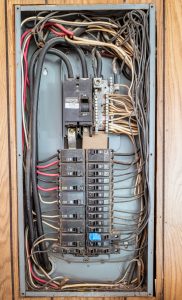
Federal Pacific Electric (FPE) panels with Stab-Lok breakers were installed in millions of homes from the 1950s through the 1980s. Independent research has documented failure-to-trip rates as high as 60% in Stab-Lok breakers, meaning the breaker designed to cut power during an overload may not do so when it matters most.
Zinsco panels, common during the same period, carry a similar concern: their breakers can weld to the bus bar, meaning power continues to flow even when the breaker appears to be switched off.
Why Modern Life Pushes Older Wiring Past Its Limits
A home built in 1950 was designed for a handful of lightly loaded circuits. The average American household now uses roughly three times as much electricity as it did in the 1950s.
When you add a new HVAC system, a smart home hub, or a home EV charger to a home wired for a fraction of that demand, you are stacking modern electrical loads onto infrastructure that was never calculated for them. The result is chronic overloading, heat buildup inside the walls, and accelerated insulation breakdown, all of which increase the risk of an electrical fire hazard developing slowly and without warning.
Warning Signs of Outdated Electrical Wiring Every Older-Home Owner Should Know
Some of the most common electrical problems in older homes give clear signals before they become emergencies. If you live in an older LA property and notice any of the following, scheduling a professional inspection sooner rather than later is the right call.
Flickering or Dimming Lights
Lights that flicker when another appliance kicks on, or dims noticeably when the dishwasher runs, point to circuits that are struggling under the current load.
Frequent Breaker Trips
A breaker that trips occasionally is doing its job. A breaker that trips regularly is telling you that the circuit is being asked to carry more than it can safely handle.
Two-Prong Outlets Throughout the Home
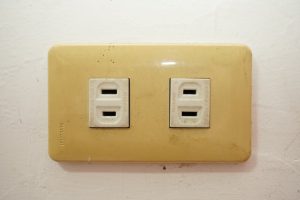
Two-prong outlets indicate an ungrounded electrical system. In a home with knob-and-tube wiring, even outlets that look like modern three-prong versions are often ungrounded unless the wiring behind them has been replaced.
Burning Smell or Discolored Outlets
A burning smell near an outlet, switch, or panel is a serious warning sign that warrants an immediate call to a licensed electrician. Discoloration around outlet covers or switch plates, typically a brown or yellowish tint, often indicates heat damage or arcing behind the wall.
Warm Switch Plates or Outlet Covers
Switch plates and outlet covers should be room temperature to the touch. If they feel warm, that warmth is coming from the wiring behind them.
How LA’s Climate Makes Electrical Hazards in Older Homes Worse
Southern California’s weather is generally a selling point, but for older homes with aging wiring, the heat is a compounding factor. Attic temperatures in the LA area regularly exceed 150 degrees Fahrenheit during summer months, and that sustained heat accelerates the breakdown of wire insulation far faster than in cooler regions of the country.
There is also a construction factor specific to older LA homes. Many Craftsman-era and Spanish Revival properties have wall cavities and attic spaces that were never designed with modern fire blocking or thermal barriers in mind.
What a Professional Electrical Inspection Covers
A home electrical inspection is a structured assessment of your home’s entire electrical system, not just the panel. A licensed electrician will evaluate the condition of visible wiring, check the panel for signs of overheating or known hazardous equipment, and test outlets for proper grounding.
For older LA homes specifically, the inspection focuses on:
- Identifying whether knob-and-tube, aluminum, or other outdated wiring types are still active
- What panel brand and model is installed and whether it carries documented safety concerns
- Whether the home’s current electrical load is within safe limits for the existing infrastructure
The findings determine what upgrades, if any, are needed.
Frequently Asked Questions: LA Homes & Electrical Hazards
How do I know if my house has knob-and-tube wiring?
The most accessible indicator is your outlets. Two-prong outlets throughout the home, particularly in older areas like bedrooms and hallways, strongly suggest the underlying wiring has not been updated.
Are Federal Pacific panels still allowed in homes?
FPE Stab-Lok panels are not banned from existing homes, but they are no longer permitted in new construction and have been flagged by most home insurance companies, independent researchers, and electrical professionals as a documented fire hazard.
What is the difference between an electrical inspection and a panel upgrade?
An electrical inspection is a diagnostic assessment of your entire electrical system. It tells you what wiring and equipment are present, what condition they are in, and what, if anything, needs attention. A panel upgrade is a specific repair that replaces a hazardous or undersized panel with a modern, code-compliant unit.
The Safest Investment You Can Make in an Older Home
Beautiful homes deserve electrical systems that can keep up with them. Most older LA properties were not rewired between when they were built and when they last changed hands, which means the wiring inside the walls may be the original installation, quietly deteriorating behind plaster and lath for 60, 80, or even 100 years. An inspection tells you exactly what is there and what, if anything, needs attention, without committing you to a major renovation.
Schedule an Electrical Inspection in Los Angeles
Bryden Electrical has been serving homeowners in Los Angeles and surrounding communities since 1984. Our licensed electricians inspect older homes throughout the area, identify outdated wiring and panel hazards, and walk you through your options clearly and without pressure.
Call us at (310) 470-2900 or reach out to us online to schedule your inspection and ask about a free estimate. We serve Los Angeles, Santa Monica, West Hollywood, Beverly Hills, Culver City, Marina del Rey, West Los Angeles, and surrounding Southern California communities.